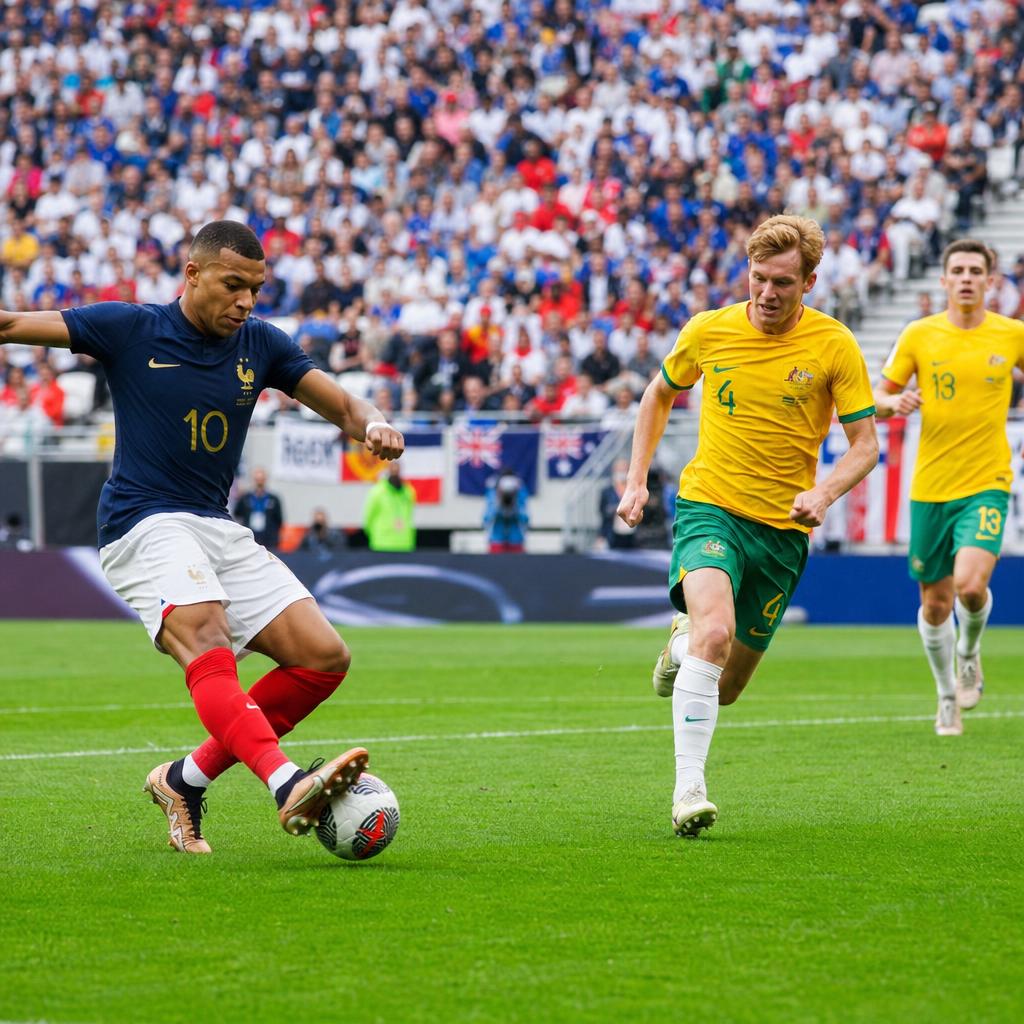
International friendly matches occupy a unique corner of the football betting market. No points are at stake, managers rotate heavily, and motivation can be hard to gauge — yet bookmakers still price them up, and value opportunities do exist if you know where to look.
What Is a Friendly Match?
A friendly (also called an exhibition match or test match) is a game played outside of official competition, carrying no competitive consequence. International teams use them during FIFA windows to test tactics, integrate new players, and give minutes to fringe squad members. Club friendlies are common in pre-season as sides build fitness before the competitive campaign begins.
Why Friendlies Are Different
The core challenge with friendly betting is motivation. A top-10 ranked national side facing a lower-ranked opponent might rest their first-choice goalkeeper, play youth players in midfield, and substitute the entire outfield at half-time. The "team" on the pitch in the 60th minute can look nothing like the starting XI that the betting market was priced around.
This unpredictability cuts both ways:
- Upsets are more common — weaker teams have a better-than-usual chance because their opponents aren't fully trying.
- In-play markets shift dramatically — a side that looks dominant before half-time may withdraw key players after the break, completely changing the game's dynamics.
Markets Worth Backing in Friendlies
Both Teams to Score (BTTS)
Friendlies tend to be open, attacking affairs with less defensive structure than competitive matches. Both teams to score lands at a higher rate in friendlies than in qualifying or tournament football. Defences are less organised, and goalkeepers may be experimenting with new personnel behind them.
Total Goals Over 2.5
For the same reasons, goals are more freely available. The average goals per game in international friendlies is slightly higher than in World Cup qualifying — roughly 2.9 vs 2.4 over the past four seasons of data. Over 2.5 goals is a solid base market to consider.
Correct Score Alternatives
Rather than trying to predict the exact score — unreliable in any match, let alone a friendly — consider the "to win both halves" or "half-time result" market. Many managers play their strongest team in the first half and rotate heavily in the second, meaning the first-half result often favours the stronger side even when the full-time result does not.
First Half Asian Handicap
If you fancy the stronger side to show up in the opening 45 minutes, a first-half Asian handicap of -0.5 or -1 can be excellent value — particularly when one side is preparing for a major tournament and will start their first XI before rotating.
Markets to Avoid
Match Result (Full Time)
This is the least reliable market in a friendly context. Rotation, the lack of competitive pressure, and the high probability of wholesale changes after half-time make the full-time result genuinely unpredictable. The bookmaker's margin is also higher here relative to the value on offer.
Anytime Goalscorer
Squad rotation makes goalscorer markets treacherous. A striker tipped to open the scoring may only play the first 45 minutes, or may not start at all if the manager decides to manage his minutes. Always check the confirmed line-up before placing goalscorer bets — and even then, second-half substitutions can deny your pick the time he needs.
Key Information to Check Before Betting
1. Team news and line-up expectations. Pre-match press conferences often signal how seriously a manager is taking the game. "We'll use this to test some new options" is code for heavy rotation.
2. Tournament context. A team with a major tournament beginning in two weeks will rest players more aggressively than a side with no imminent competitive fixture. Conversely, a side that has just qualified for a finals will sometimes field a strong XI to build momentum.
3. Home or away. Even in friendlies, the home advantage is real — home crowds, familiar training facilities, and less travel fatigue all contribute. Home sides win international friendlies at a slightly higher rate than neutral-venue or away games.
4. Recent form and motivation. A team on a long losing run may use a friendly to restore confidence, fielding a strong starting XI. A team that has just won a major honour may treat the same match as a rest-and-rotate exercise.
Club Friendlies vs International Friendlies
Pre-season club friendlies are even harder to read than international ones. Fitness, not results, is the priority — managers will often play players for set periods regardless of the score. Avoid betting on club pre-season friendlies outside of very specific in-play situations (e.g. a match where both sides have already completed their planned minutes and the result is genuinely being contested).
Final Tips
- Wait for confirmed line-ups before committing to any friendly bet. The team sheet changes everything.
- Stick to first-half markets when you expect rotation in the second half.
- Back BTTS and over goals over match result — these markets are more robust to the unpredictability of team selection.
- Treat friendly bets as small stakes. The uncertainty is higher than in competitive football, so size your bets accordingly.
Follow elToroTips for expert betting tips across all major international and club competitions — including selected friendly matches where genuine value exists.