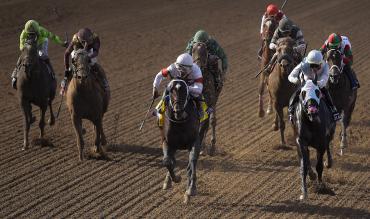
Horse racing can look complicated at first: every race has a different field, distance, surface, pace profile, and set of conditions. A good betting strategy makes the process simpler by giving you a repeatable way to decide which races deserve your attention and which should be left alone.
This guide is educational rather than a promise of profit. The objective is to make decisions from evidence, price, and risk control instead of excitement or last-minute tips.
Start With Race Selection
The first edge is often knowing what not to bet. Avoid trying to analyse every race on a card. Start with races where the information is relatively clear:
- Fields with enough recent form to compare, but not so many runners that the result becomes pure chaos
- Horses with a reliable record at the distance and on the expected surface
- Races where the going, draw, and likely pace are known close to post time
- Handicaps where you can compare a runner's rating with the weight it must carry
Leave juvenile races, first-time starters, and races with major late changes alone until you have enough experience and information to price them properly.
Read Form as a Story, Not a List of Finishing Positions
A horse's last finishing position is only one piece of evidence. Look at:
- Class: Was the horse competing against stronger or weaker opposition?
- Distance: Did it finish strongly, or was it short of speed late in the race?
- Pace: Was the race run quickly, slowly, or in a way that favoured a particular running style?
- Surface and going: Does the horse perform consistently on today's ground?
- Fitness and preparation: Is this a typical break between runs, or is the horse returning from a long absence?
Give more weight to recent performances that match today's conditions. A strong run on unsuitable ground may be more informative than an easy win in a very different setup.
Build a Shortlist Before Looking at the Price
Make your own shortlist first. A simple process is to identify two or three runners with a credible winning case, then compare their prices. Starting with the odds can create confirmation bias: a short-priced horse may feel “safe” simply because the market likes it.
Your shortlist should answer one question: What is the most likely way this horse can win, and is that scenario realistic in this field?
Understand the Odds
Decimal odds include the stake in the return. The implied probability formula is:
Implied probability = 1 ÷ decimal odds
For example, odds of 3.00 imply 33.3% before accounting for the bookmaker's margin. If your independent assessment gives the horse a 38% chance, the price may offer value. If your assessment is only 28%, the horse is too short even if it wins occasionally.
Your probability does not need to be perfect. It needs to be made consistently and recorded so you can review whether your assumptions were useful.
Use a Simple Staking Plan
Flat staking is a good starting point: risk the same small unit on every qualifying bet. A one-unit stake might be 1% of your betting bankroll, but the exact amount should be affordable and separate from money needed for everyday life.
Avoid increasing your stake after a loss. Losing streaks are normal in racing, particularly when backing prices above 3.00. The purpose of staking is to survive variance long enough to evaluate your process.
Keep a Betting Record
Record the date, race, selection, odds taken, closing odds if available, stake, result, and your original reasoning. Review results by race type, distance, surface, odds range, and strategy. Do not change your method after a handful of bets; use a meaningful sample before deciding whether an approach is working.
The strongest habit in horse racing betting is selective discipline. Pass races without a clear edge, compare your estimated probability with the available price, stake modestly, and treat every result as feedback rather than proof that a single bet was right or wrong.
18+ only. Bet responsibly. Never chase losses, and stop if betting stops being enjoyable.